

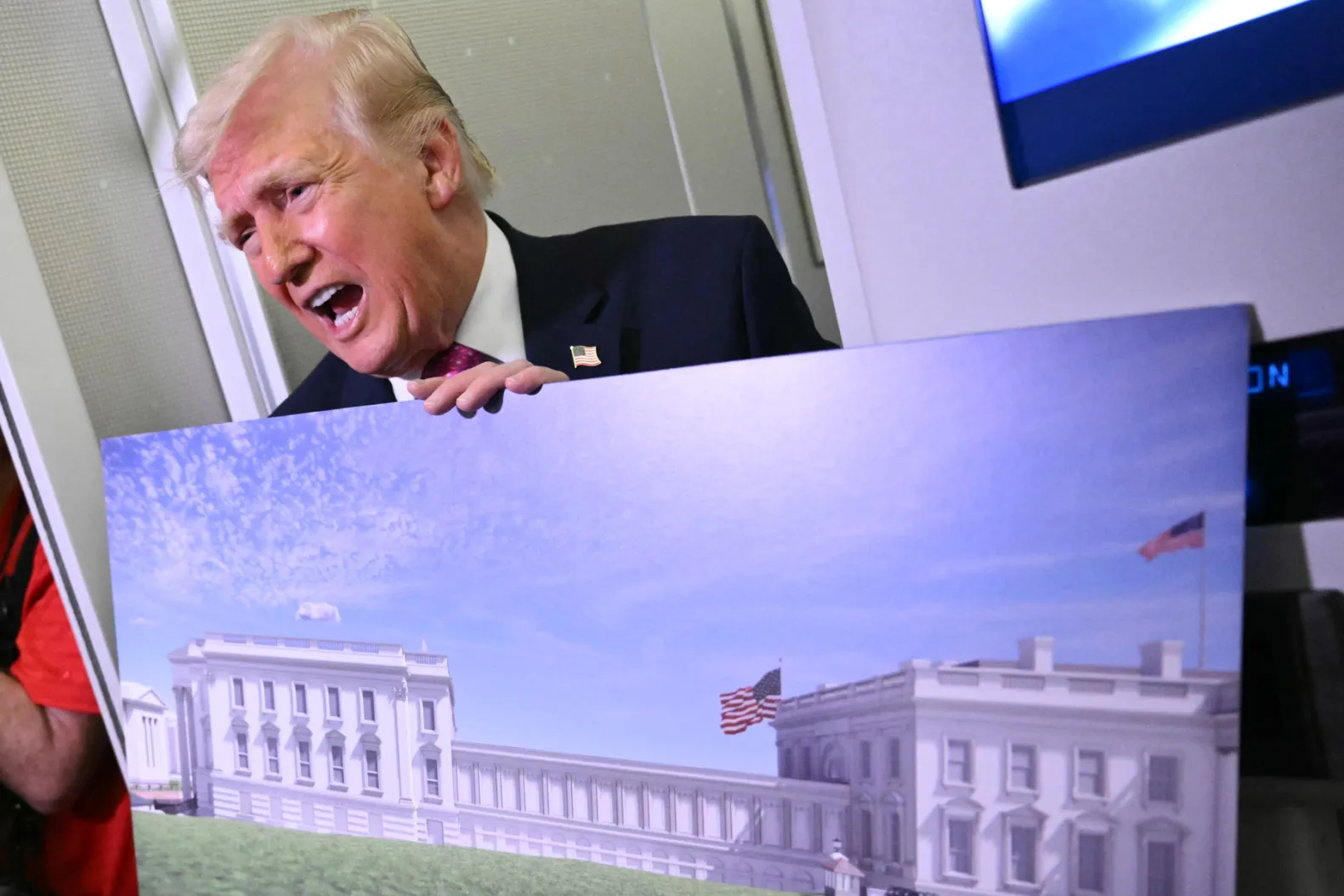
A federal judge on Tuesday, March 31, blocked US Leader, Donald Trump from moving forward with construction of a proposed $400 million ballroom at the White House.
In his ruling, Judge Richard Leon said the president does not have unilateral authority to proceed with such a major project without approval from United States Congress.
“The President of the United States is the steward of the White House for future generations of First Families. He is not, however, the owner!” Leon wrote.
The judge delayed enforcement of the ruling for two weeks to allow for an appeal but warned that any construction during that period that does not comply with the ruling could be removed depending on the case’s outcome.
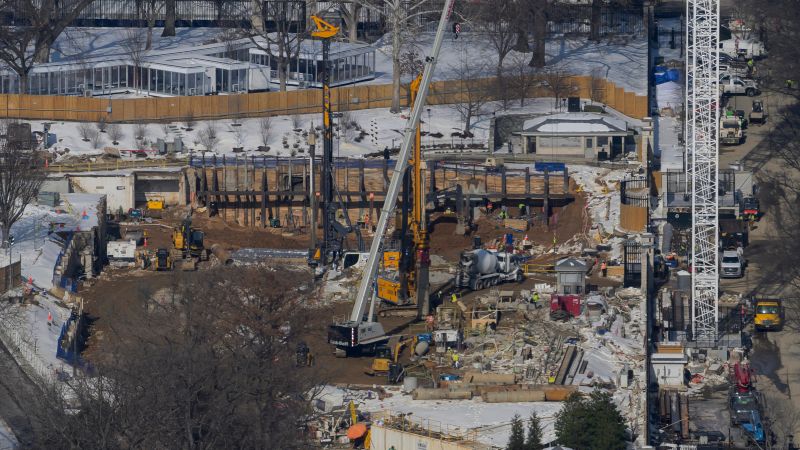
The Trump administration immediately signaled its intention to appeal.
At the center of the dispute is whether the president can authorize such a large-scale development without congressional approval. Leon concluded that federal law requires lawmakers to approve the project before construction can proceed.
“Unless and until Congress authorizes this project through legislation, construction has to stop,” he wrote, adding that both Trump and Congress could still work together to move the project forward legally.
Trump, a former real estate developer, has been personally involved in the ballroom’s design, including decisions on layout and materials. He recently described the project as potentially “the greatest ballroom anywhere in the world.”
The planned ballroom would span about 89,000 square feet, significantly larger than the White House’s main Executive Mansion, which is approximately 55,000 square feet.
The president has argued that the project does not require oversight and has aimed to complete it by summer 2028.
The lawsuit was filed by the National Trust for Historic Preservation, which argued that the administration acted unlawfully by proceeding without congressional approval.
Following the ruling, the organization welcomed the decision, calling it a victory for the American public.
Judge Leon also emphasized that Congress retains authority over federal property and spending, noting that lawmakers could still approve or fund the project if they choose.
