

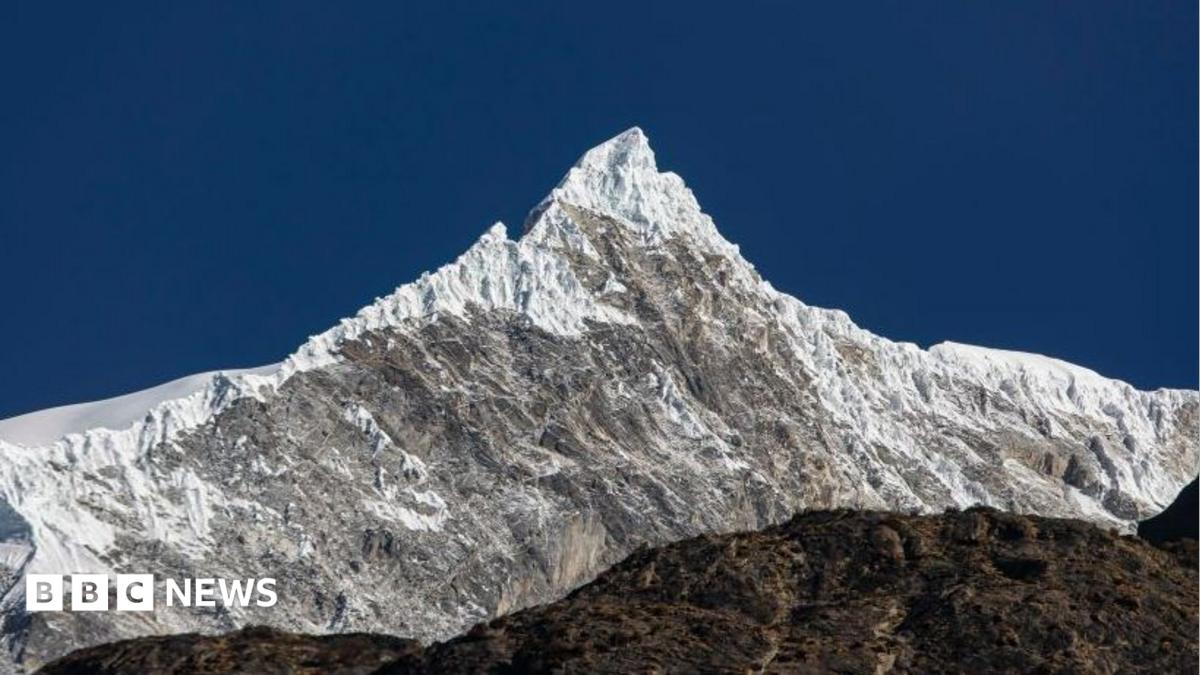
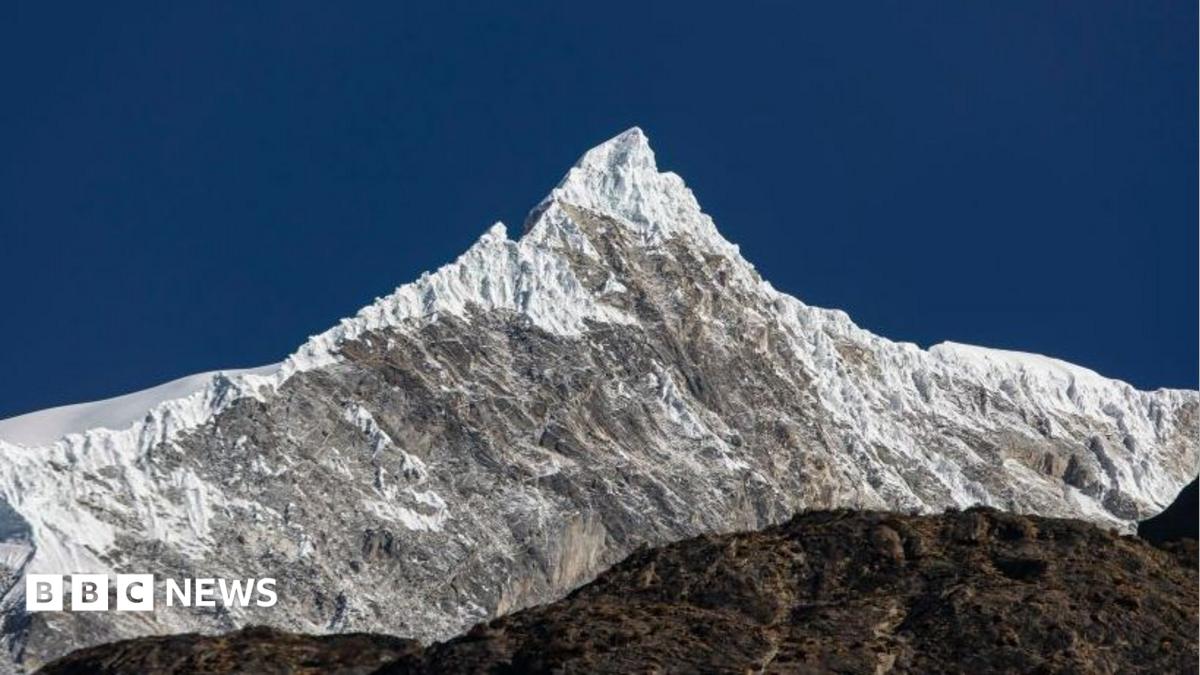
It is still unclear what caused the glacier to collapse on Wednesday.
Searle said that Langtang Lirung, like the rest of the Himalayas, has been slowly rising due to long-term tectonic movement, where one plate has been pushing another plate up. “It’s like putting a jack under the car, and then jacking it up.”
“As the mountain is rising, the glacier gets steeper and steeper, and it’s inevitable that parts of it fall off.”
But usually these are smaller chunks which temporarily block the rivers, and are easily flushed out, he said. However, in this disaster, the whole glacier seems to have collapsed “in one go”, which Searle said is “very unusual”. “These floods happen all the time, but not at this scale.”
He said Wednesday’s event likely happened because of “two different processes – tectonics with the Himalayas uplifting, and then climate change with increasingly high temperatures and melting of glaciers.
“The whole thing is combining to form these catastrophic disasters that we are now seeing at a regular basis.”
