


 Image copyright EPA
Thousands of Lebanese furious with their political leaders will later take to Beirut’s streets, four days after a huge explosion left at least 154 dead.
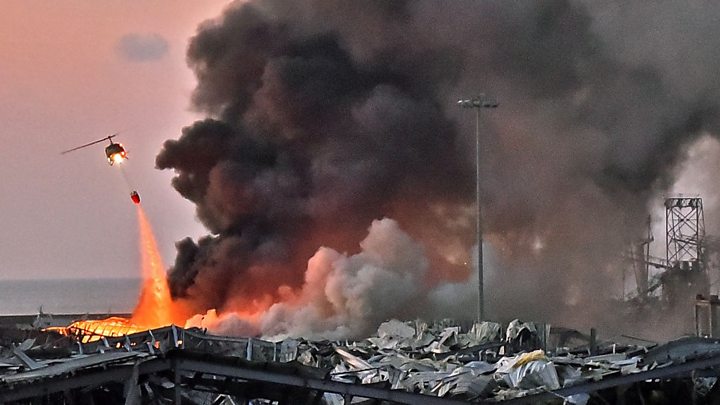
Tuesday’s blast at the port devastated parts of the city and has reignited deep-seated anger at what many see as an inept and corrupt political class.
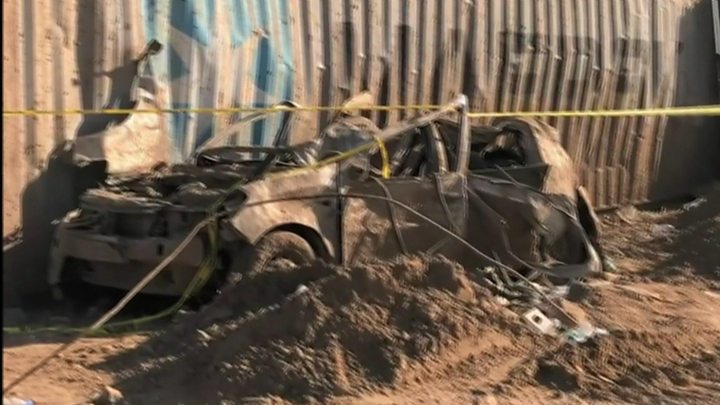
The explosion was caused by a huge stock of ammonium nitrate that had been seized from a ship but never moved.
The government has promised to find those responsible.
But there is a huge level of mistrust in Lebanon, where an anti-government protest movement erupted last October, fuelled by an economic crisis and a collapsing currency.
Two ministers who attempted to visit badly damaged neighbourhoods in recent days were chased out.
“After three days of cleaning, removing rubble and licking our wounds… it is time to let our anger explode and punish them,” Fares Halabi, a 28-year-old activist, told the AFP news agency ahead of Saturday’s protests.
A march will travel from one of the most devastated areas near the port to Martyrs’ Square, the heart of the anti-government uprising that began last year.
Apart from showing the city’s anger, it is also meant to remember victims of the explosion, which injured 5,000 and left some 300,00 homeless.
Lebanese President Michel Aoun has rejected calls for an international investigation into the explosion. He said local authorities would examine whether it was triggered by “external interference” such as a bomb.
Meanwhile global leaders are scheduled to take part in a virtual donor conference on Sunday organised by French President Emmanuel Macron.
Mr Macron was mobbed in the streets as he visited Beirut earlier this week in the aftermath of the explosion.
France, the former colonial power, has close economic ties with Lebanon, which defaulted on its sovereign debt in March but has been unable to agree a reform programme with international lenders to obtain a bailout.
Media playback is unsupported on your device
US President Donald Trump is among world leaders set to attend the virtual donor summit.
More on the explosion in Beirut
On Friday, UN agencies warned of a humanitarian crisis in Lebanon, including possible food shortages and an inability to continue to fight the Covid-19 pandemic.
Many countries have already offered aid, with the US announcing on Friday that it planned to immediately send $15m (£11.5m) worth of food and medicine.
The UK has released £5m of emergency aid and deployed a Royal Navy ship to Lebanon.
Prime Minister Boris Johnson spoke to President Aoun on Saturday and conveyed the UK’s “deepest sympathies to the Lebanese people”, Downing Street said.
Media playback is unsupported on your device
What is happening with the investigation?
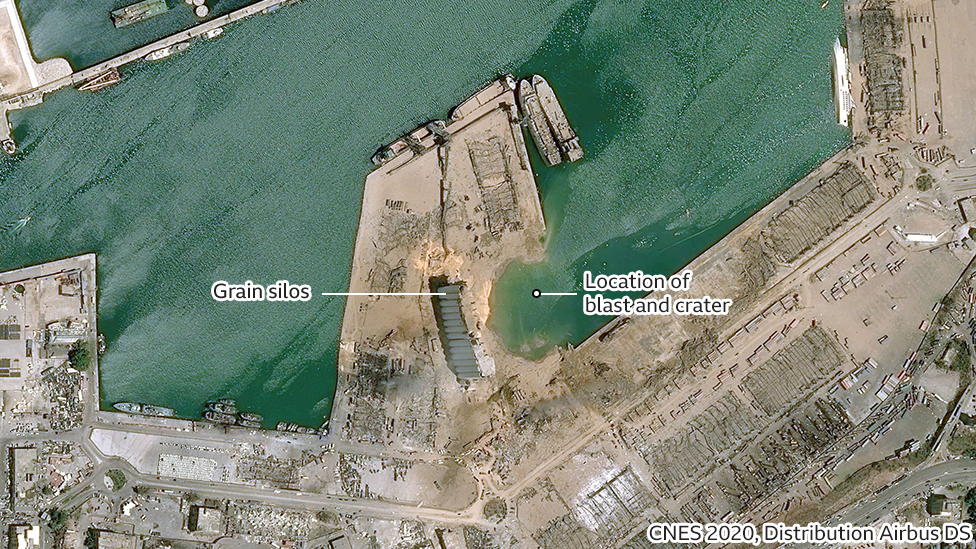
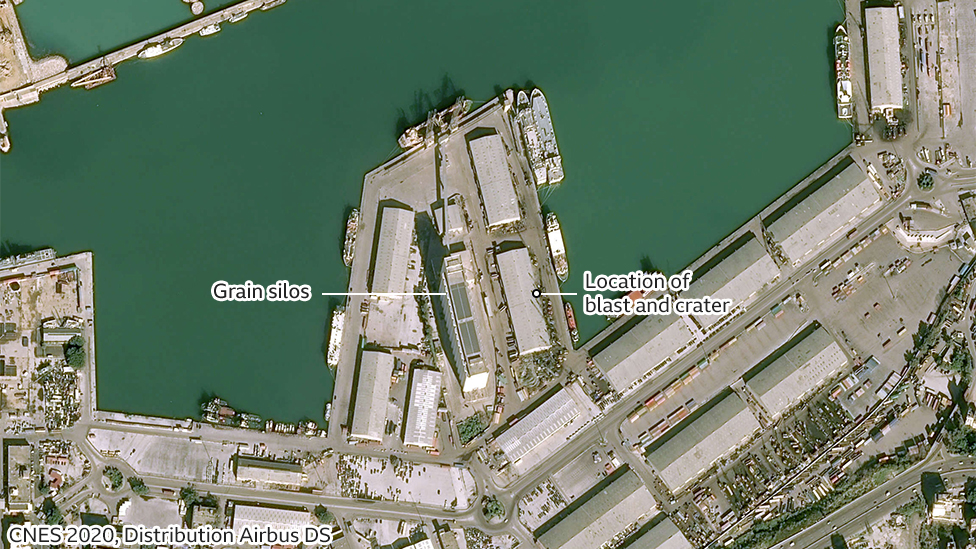
Lebanon’s president and prime minister have said 2,750 tonnes of ammonium nitrate – which is commonly employed as a fertiliser but can also be used to create an explosive – had been stored in a warehouse at the port without any safety precautions since 2014, when it was unloaded from an impounded cargo ship, the MV Rhosus.
The decision to keep so much explosive material in a warehouse near the city centre has been met with disbelief by many Lebanese.
On Wednesday, Mr Aoun promised a transparent investigation by Lebanese authorities and to “hold those responsible and those who were negligent accountable, and serve them the most severe punishment”.
However, calls for international investigation have grown since then.
The president ruled out such a move on Friday, saying: “The goal behind calls for an international investigation into the port issue is to dilute the truth.”
President Aoun also said the government-backed inquiry was looking into three possibilities: negligence, accident or what he called “external interference through a rocket or bomb or other act”.
Officials have said the explosion appears to have been triggered by a fire and there has been no evidence so far of the third possibility mentioned by Mr Aoun.
5 August 2020
25 January 2020
Hezbollah leader Hassan Nasrallah, Mr Aoun’s political ally, meanwhile denied any involvement in the blast, insisting that his group did not control the port and that it had stored no weapons or ammunition there.
“Not a weapons cache, not a missile factory, not a single missile, not a single rifle, not a single bomb, not a bullet, not nitrates. Nothing at all. Not now, not in the past,” he declared in a speech.

Media playback is unsupported on your device
Have you been personally affected by this story? If you feel able to do so please share your experiences by emailing haveyoursay@bbc.co.uk.
Please include a contact number if you are willing to speak to a BBC journalist.
Click Here to Visit Orignal Source of Article https://www.bbc.co.uk/news/world-middle-east-53704998
