


Viswanath Birje has been announced as the winner of the Royal Society of Biology’s photography competition, for his image of ants feeding off honeydew excreted by a yellow aphid.
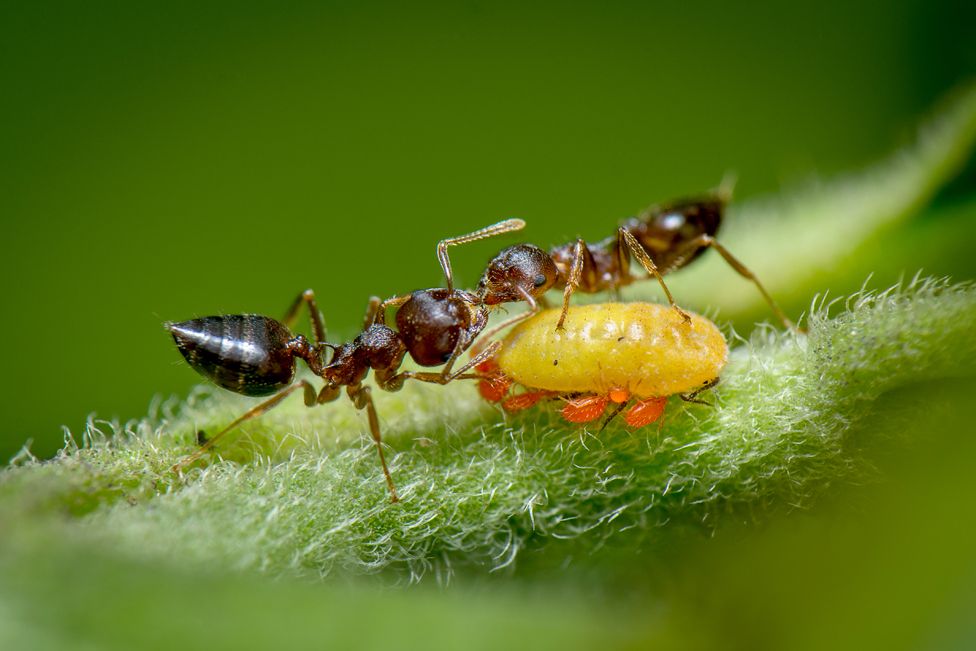 Image source, Viswanath Birje
Birje, who captured the shot in Thane, India, said: “There are many magical events happening in nature around us – I was just being curious and observant.
“The photograph just shows such a situation between the ants, aphid and mites.”
The Royal Society of Biology’s annual photography competition attracts entries from amateur photographers around the world, with more than 1,600 entries submitted this year for the theme “interconnected”.

Runner up: Truong Hoai Vu – Hon Yen marine ecosystem, Phu Yen, Vietnam
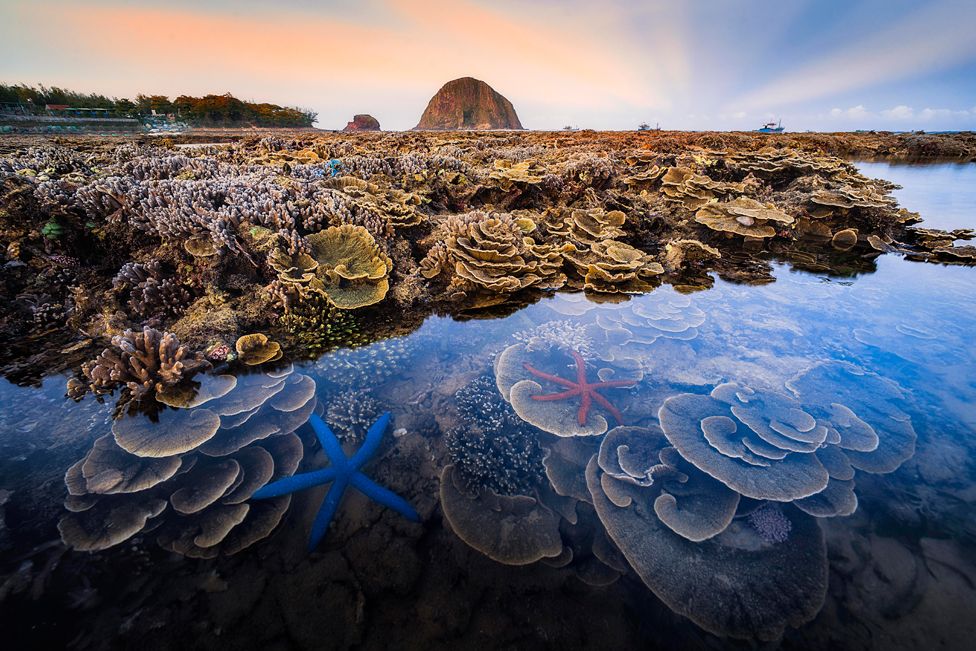 Image source, Truong Hoai Vu
Every year, between May and August, the coral of this rich and diverse ecosystem becomes exposed at low tide.
Shortlisted
Alfonso Roldán Losada – Family Quarrel, Córdoba, Spain
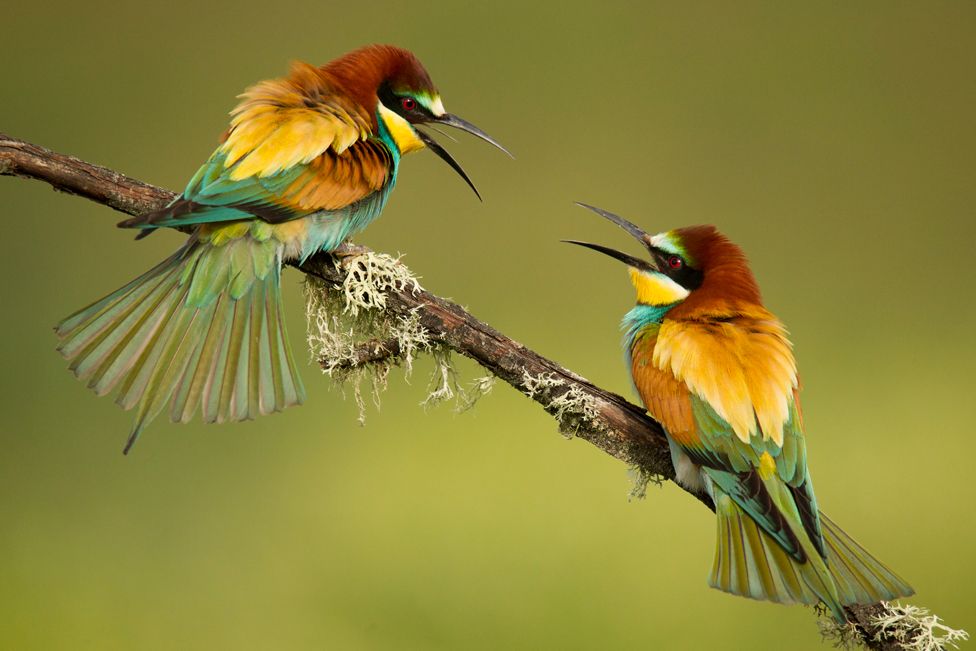 Image source, Alfonso Roldán Losada
Henry Harte – The plague, Borana, Kenya
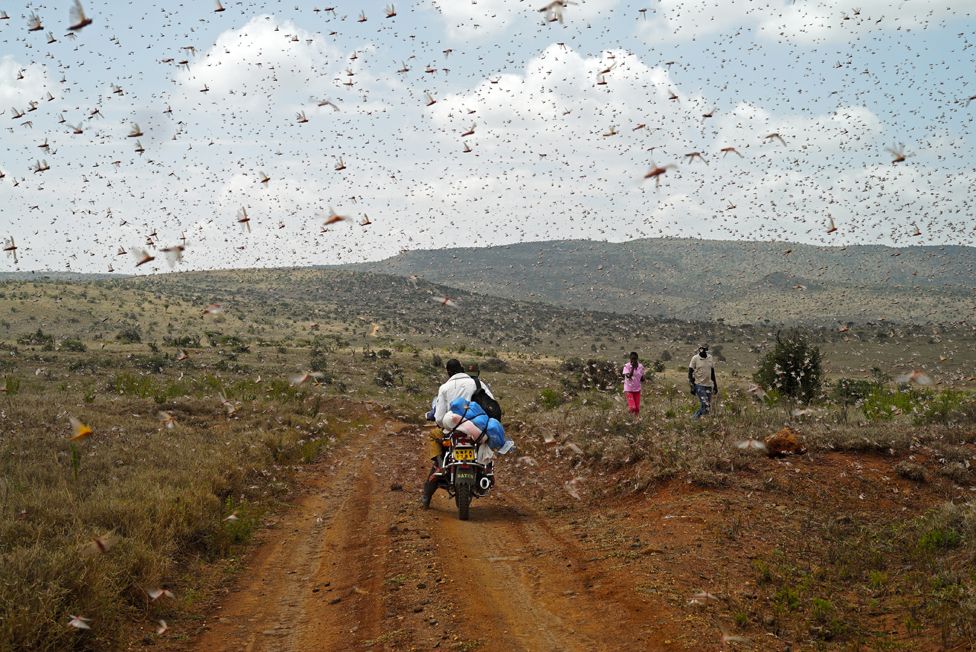 Image source, Henry Harte
Ripan Biswas – The hunt, West Bengal, India
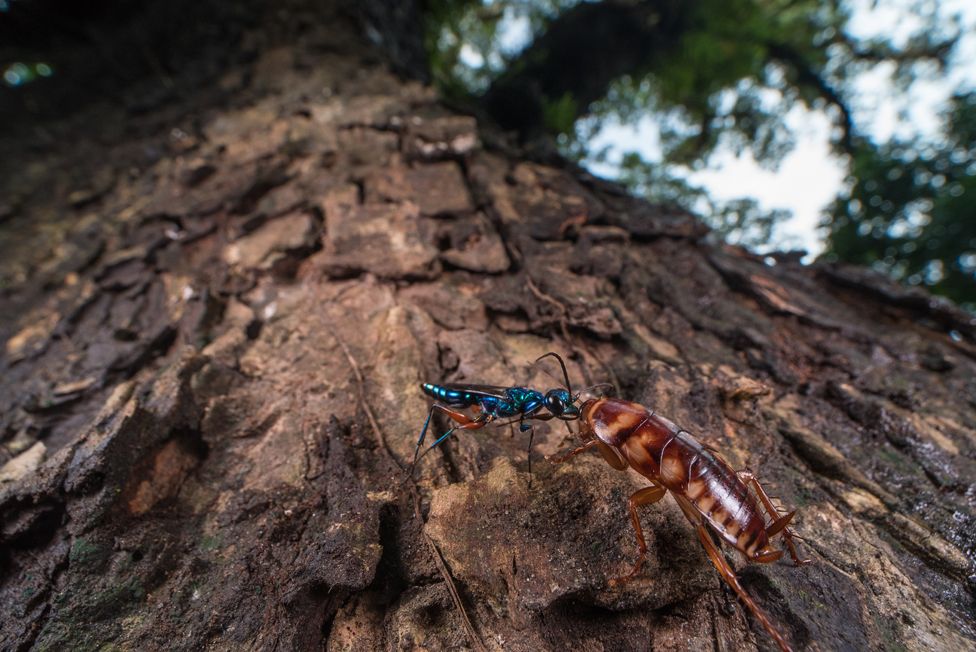 Image source, Ripan Biswas
 Wei Fu – Bite for survival, Bangkok, Thailand
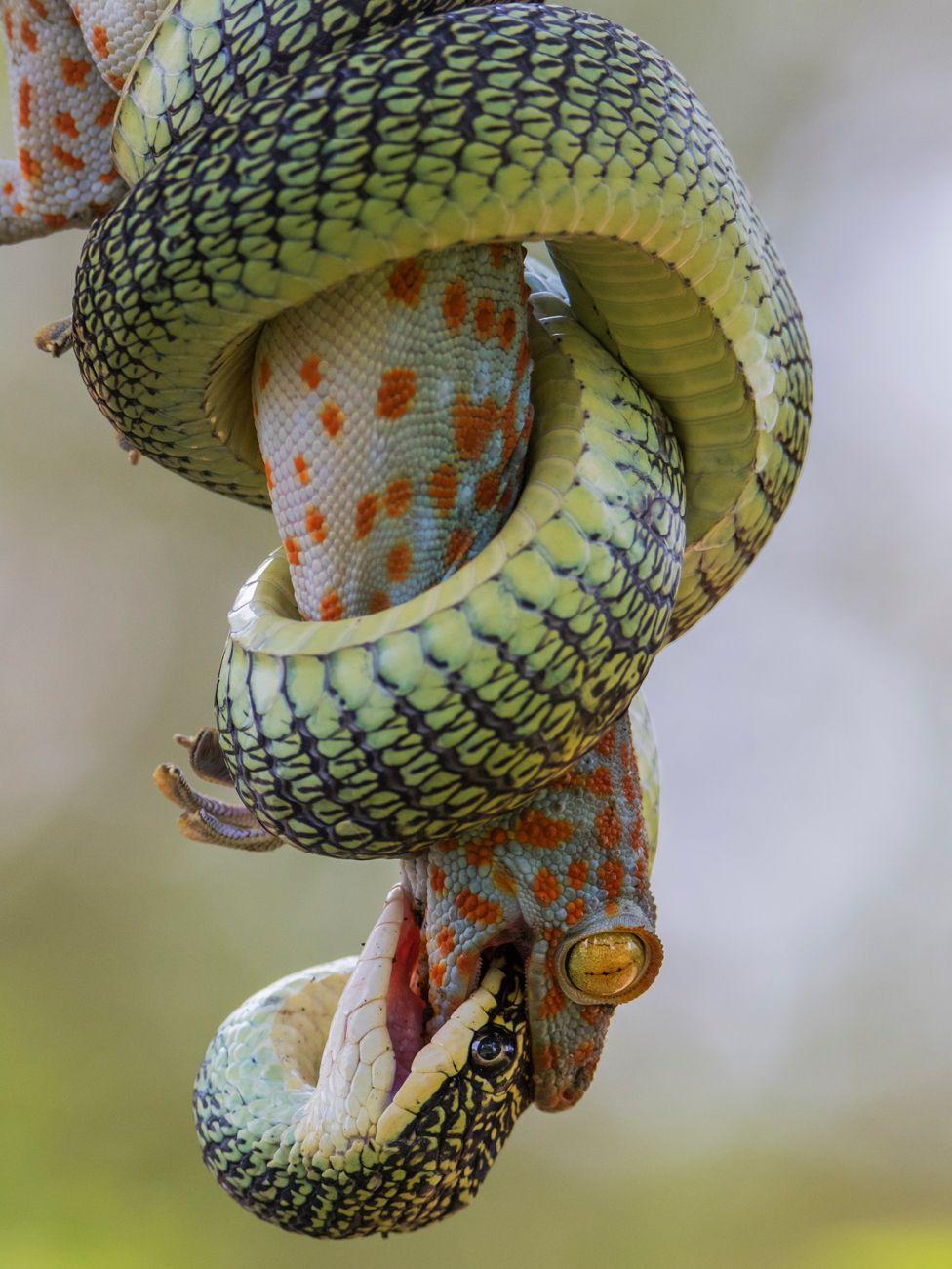 Image source, Wei Fu
Chanchal Sur Chowdhury – Spiderman of our body, Missouri, USA
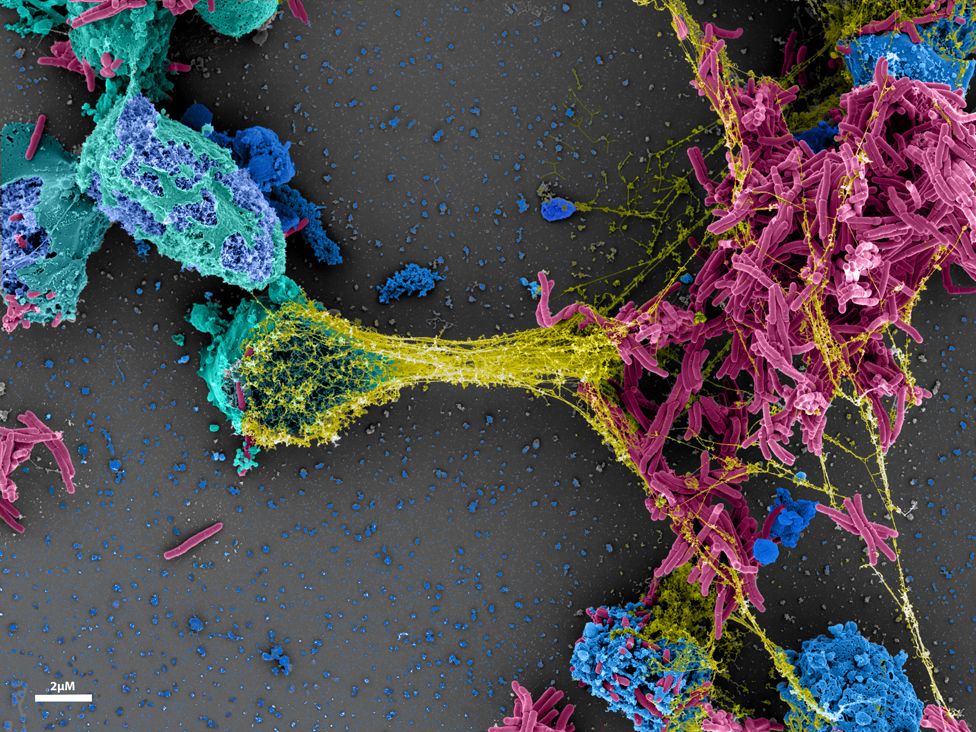 Image source, Chanchal Sur Chowdhury
John Ishide Bulanadi – A tiny gathering, Pampanga, Philippines
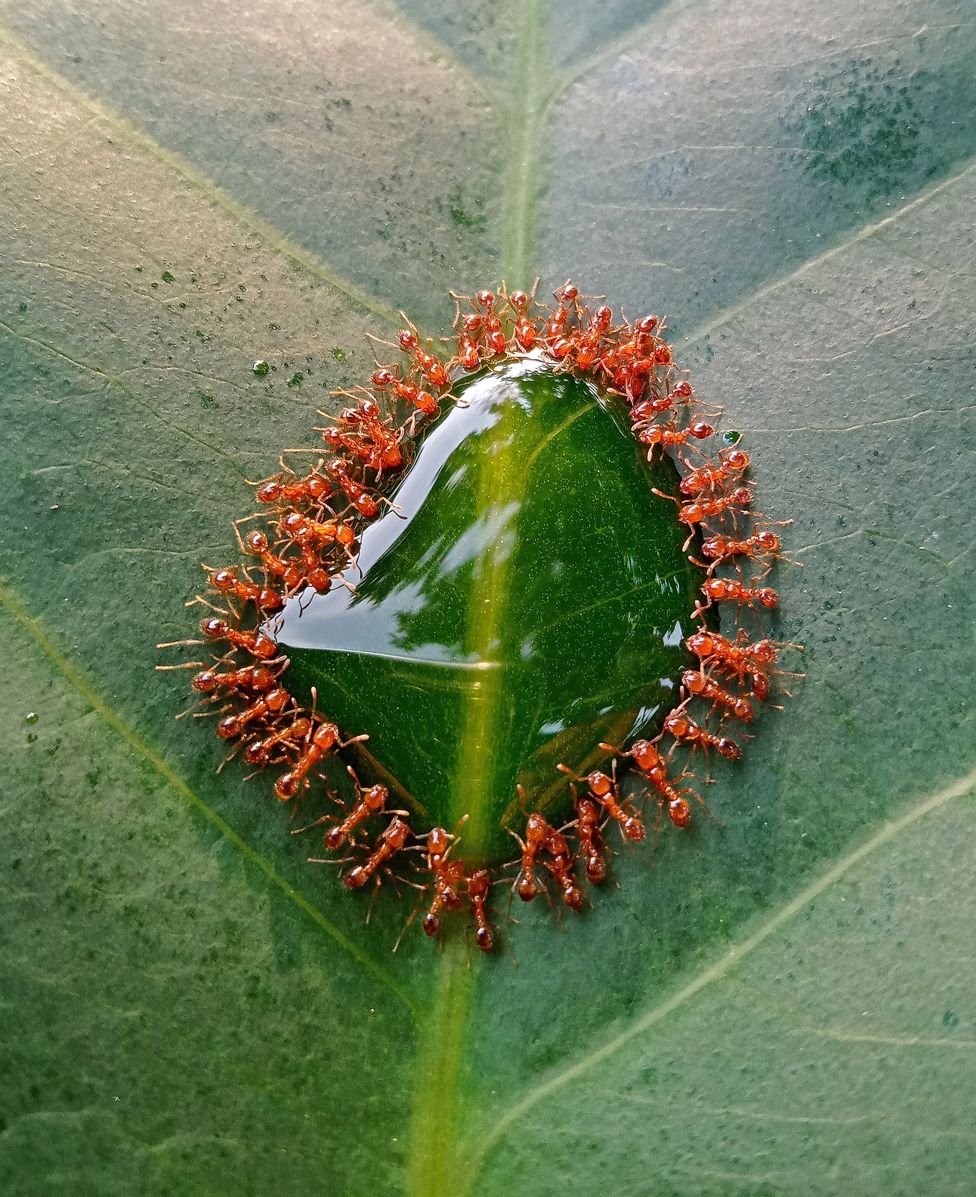 Image source, John Ishide Bulanadi
Gu Guanghui – Solar power plan, Zhejiang Province, China
 Image source, Gu Guanghui
Young Photographer of the Year: Roan Jones, Somerset, UK
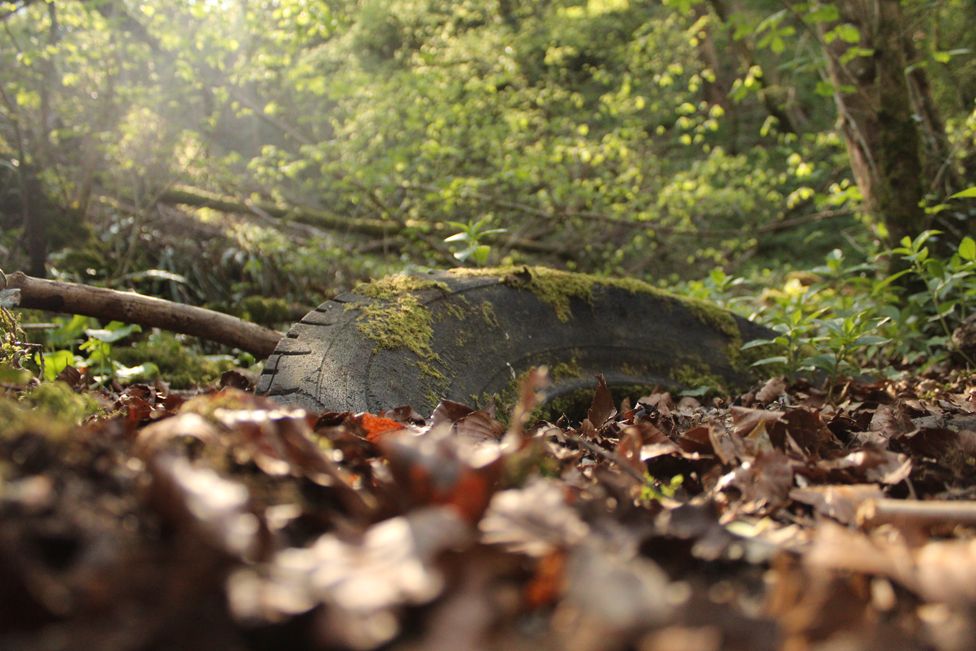 Image source, Roan Jones
The winner of the RSB’s Young Photographer of the Year is Roan Jones, aged 15.
Jones captured a tyre being reclaimed by nature in the Vallis forest, Somerset, showing the connection between people and the natural world.
“I felt inspired to take the photo at a local forest in my home town, because this is somewhere I often visit and know there are lots of places of interest.”
Runner up: Alice Feng, UK
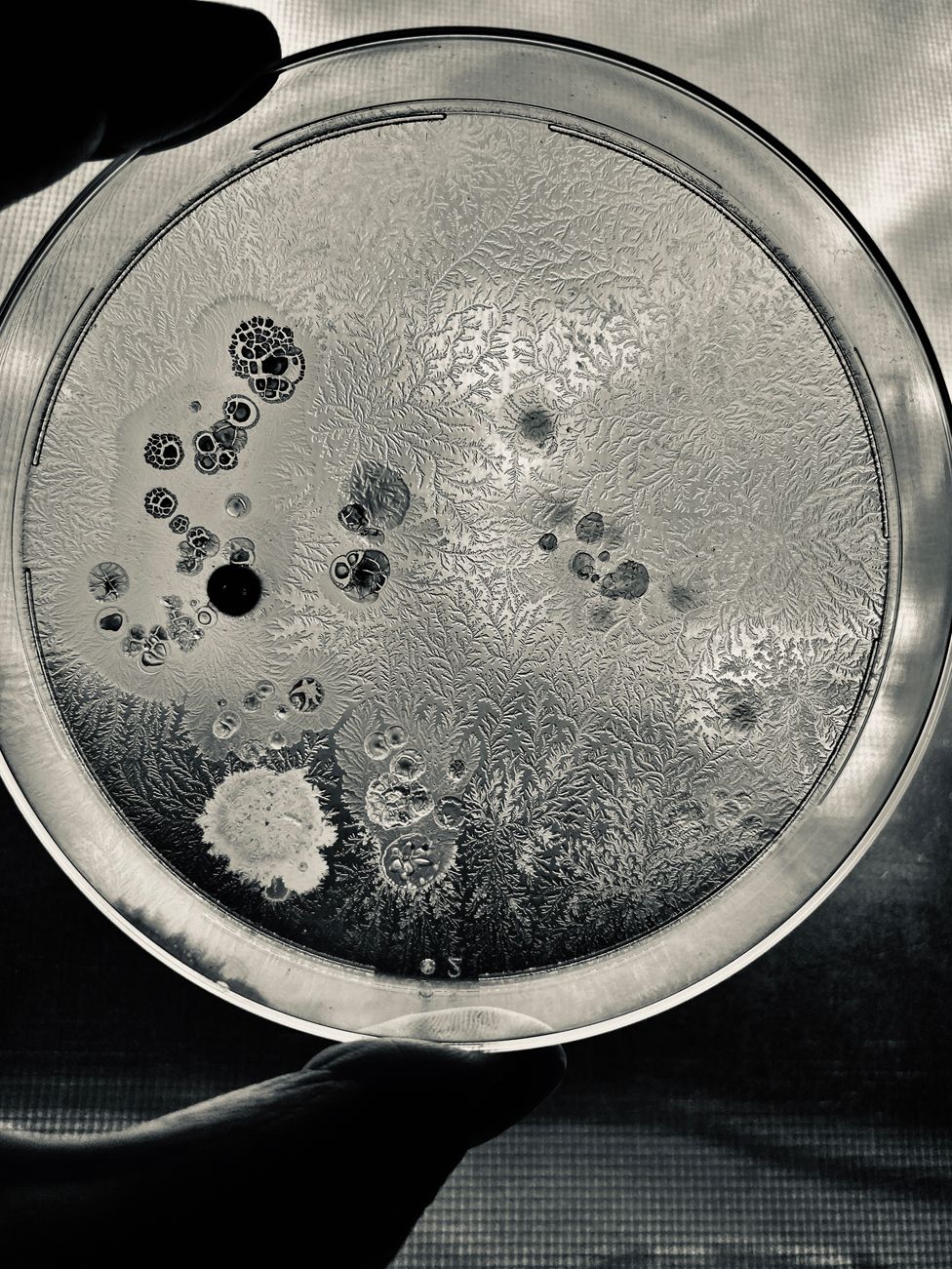 Image source, Alice Feng
The patterns in this image, called Fractals, are of Bacillus subtilis being grown on a dextrose agar plate.
The patterns form depending on the conditions of the bacteria’s environment and how bacterial cells move after coming into contact with each other.
Highly commended: Hayden Wood, the watering hole, Kenya
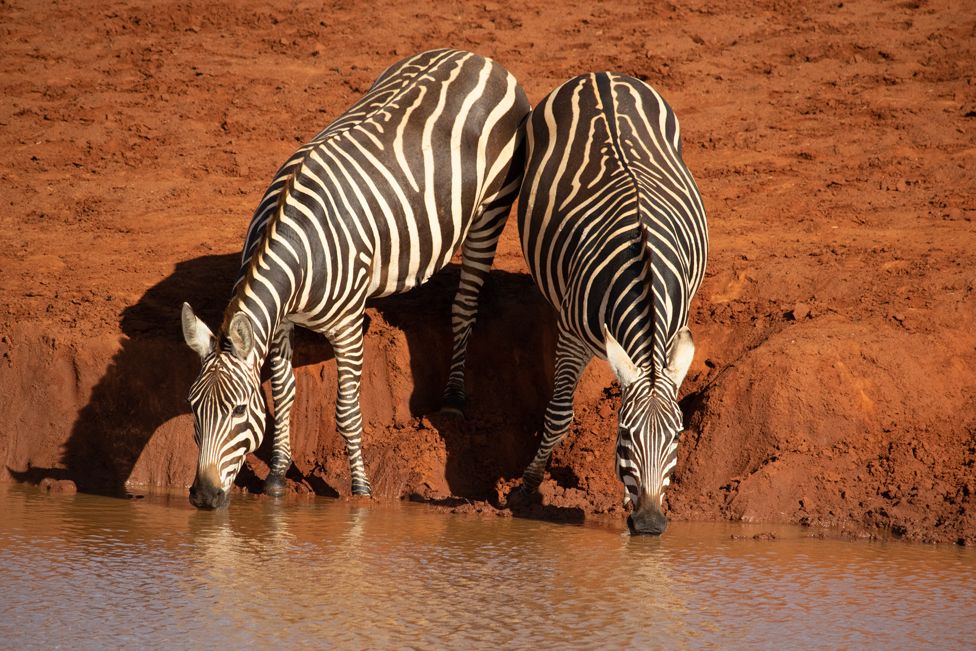 Image source, Hayden Wood
A pair of Grévy’s zebra drink from a watering hole.
All photos courtesy The Royal Society of Biology
