

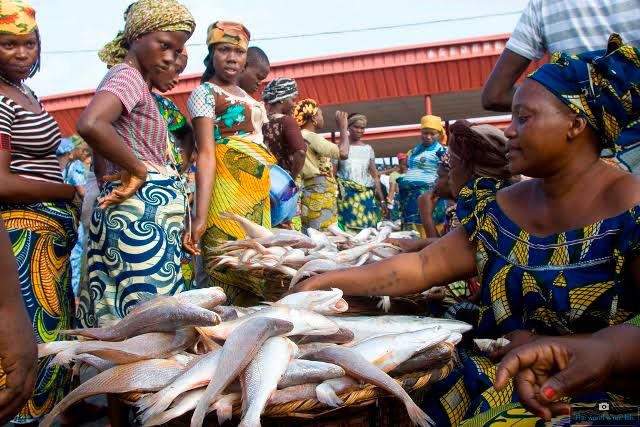

Nigeria is a nation blessed with vast water bodies stretching from Lake Chad in the Sahel to the famous Rivers Niger and Benue, all the way down to the Atlantic Ocean. With such an abundance of aquatic resources, Nigeria should be a global leader in fish production—a net exporter feeding other nations, not a helpless importer throwing billions of dollars into foreign economies. Yet, year after year, the country wastes over $2 billion importing fish—an economic absurdity that thrives in a system riddled with corruption, misplaced priorities, and a deliberate refusal to harness the nation’s potential.
The Niger Delta alone holds the capacity to outproduce global fishing powerhouses like Norway, Argentina, Namibia, and the Netherlands. The waters running through the Delta region are naturally suited for large-scale aquaculture. Yet, instead of investing in this goldmine, Nigeria continues to depend on foreign nations for a commodity it should be producing in abundance. What logical explanation justifies such self-inflicted economic sabotage?
Lessons from Argentina: Why Can’t Nigeria Do the Same?
Argentina’s Patagonia Region has thrived because its government prioritizes self-sufficiency in fish production. Through strong incentives and investment in the fishing industry, the country has turned its waters into an economic asset. If Argentina can do this, why can’t Nigeria replicate the same in Lagos, Bayelsa, and Rivers—the so-called centers of excellence in fish production?
Why isn’t the Nigerian government investing in large-scale fishing infrastructure, hatcheries, feed mills, and processing plants? The answer is painfully obvious: corruption and a leadership uninterested in economic nationalism.
The Forex Drain: How Fish Imports Are Killing Nigeria’s Economy
Nigeria wastes billions annually on fish imports, draining the country’s foreign exchange reserves and further weakening the naira. While the government complains about forex scarcity, it continues prioritizing import contracts that benefit foreign economies while local farmers struggle.
Instead of wasting hard-earned revenue on imports, Nigeria should be channeling these funds into empowering local fish farmers, modernizing the fisheries sector, and creating an export-driven industry that not only meets domestic demand but also generates foreign exchange.
A Blueprint for Nigeria’s Fisheries Revolution
Nigeria’s coastline, rivers, and inland water bodies are more than enough to sustain a booming aquaculture industry—one that could employ millions, boost food security, and create wealth across multiple value chains. From fish hatcheries to processing, from cold storage facilities to export logistics, a well-structured fisheries sector has the potential to become a major pillar of Nigeria’s economy.
But instead of taking decisive action to achieve economic independence, those in power continue signing import contracts that enrich their foreign partners at the expense of local farmers and national economic stability.
The Path Forward: Stopping Fish Importation is a National Imperative
Nigeria must wake up and recognize that fish importation is nothing short of an economic crime against the nation. The government must redirect its focus toward self-sufficiency in fish production by:• Providing incentives, research funding, and an enabling environment for local fish farmers to thrive. • Investing in fisheries infrastructure, hatcheries, and feed mills to cut production costs. • Blocking forex leakages by prioritizing local production over imports.
With the right policies, Nigeria will not only stop importing fish but will also become a major player in the global fish export market.
The resources are here. The manpower is available. The demand is massive. The only missing ingredient is political will. If Nigeria is serious about economic sustainability, the time to act is now. The government must rise above corruption, take bold steps toward national food security, and ensure that Nigeria takes its rightful place as a global fisheries powerhouse.
